
5 TYPES Of PEOPLE YOU NEED IN YOUR CAREER COMMUNITY
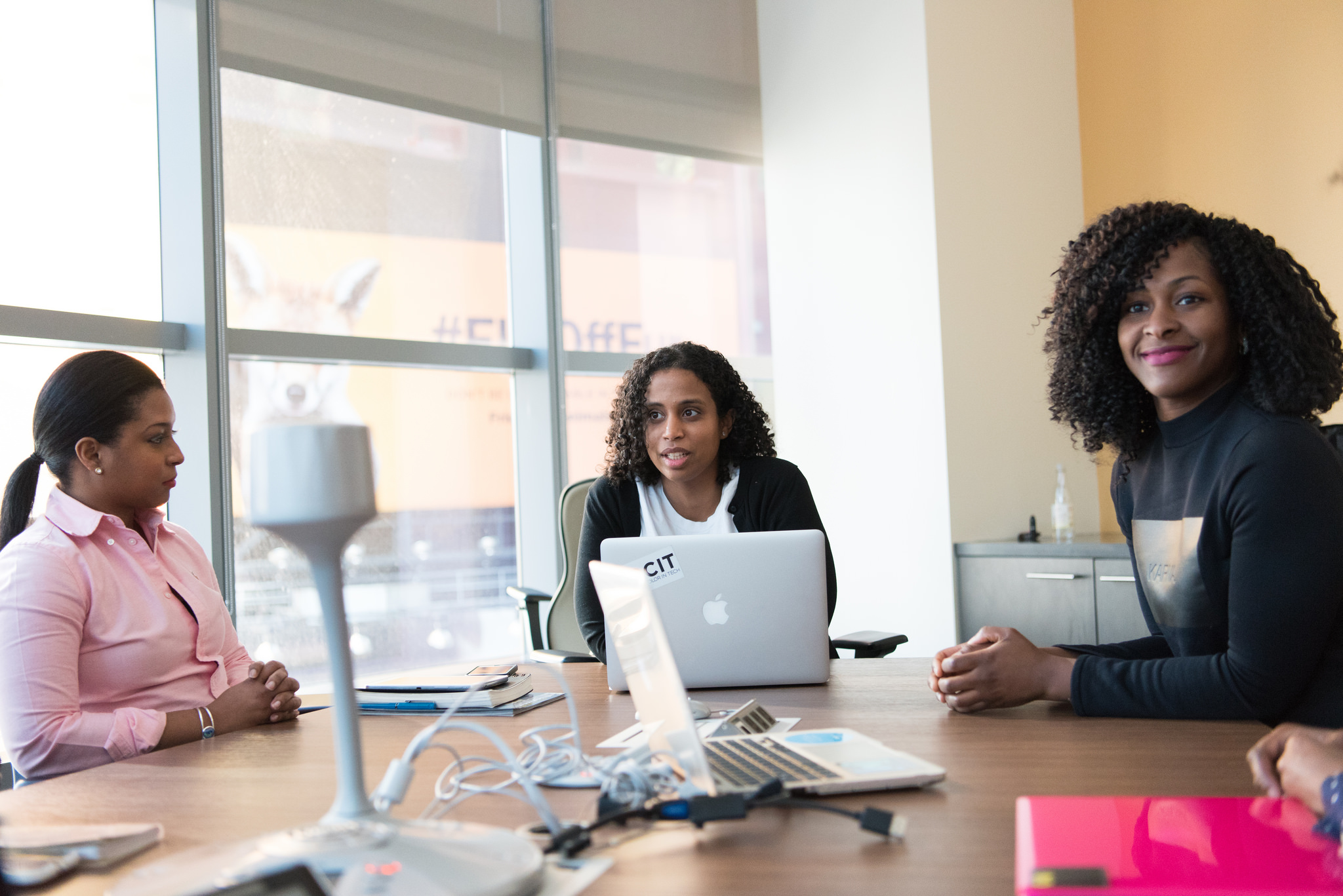
In your career there will be many people you’ll encounter. Some will add value while others will place roadblocks to your career advancement especially as a woman of color in STEM. Today, let’s discuss 5 people in your STEM career community you’ll need. We’ll discuss the categories they fall into and why they are important for your career advancement.
Community

Community is your circle of family and friends. I could include sorority sisters, members of your church or even your online friends. They many times can’t answer your career questions but they are always there cheering you on. This may especially be true from your social media communities. They may be able to cheer you up but can’t answer those difficult questions you have about your career path. Your STEM career community will help you through your struggles by listening, praying and drinking with you.
Your friends, former classmates, former co-workers and family could be part of your community. They are the ones who always cheer you and always got your back. You will laugh together and cry together. Your community will support you in your career journey every single way.
Mentor
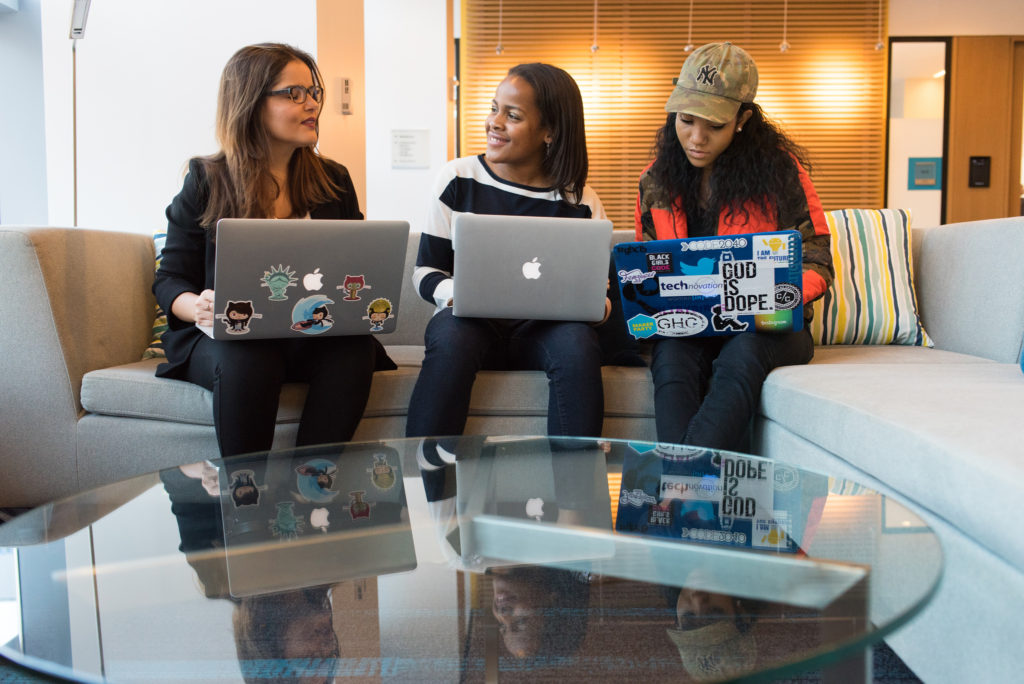
Next, consider having at least one mentor. A mentor is a person whom you go to for advice. You may have selected this person to mentor you from their career path, personal brand or hearing him or her provide sound advice to someone else. Then you can cultivate this relationship over time, not just a few months or a year. While it’s a gradual relationship that builds not only to help you with your career, your mentor generally wants to know more than your career goals. Lastly, this person is there for you to answer your career questions but to put perspective on how decisions can impact your entire life.
It’s important to know that a mentor doesn’t only guide you but also brings you into his or her network. Whatever resources and connections they may have, they will share it with you. A mentor is there for the long haul because you’ve built a genuine relationship with this person. They want to see you grow and do well.
Mentors are definitely not there for only a short period of time. You will be able to build a relationship more than just being a mentee. But you’ll become friends. Your mentor wants to see you grow and do well.
Ally

What is an ally?
This a newer term for many although workplace allies have been around for awhile. First off an ally is not part of an underrepresented group. An ally uses privilege to support those who are underrepresented. More importantly, allies make changes to assist those in underrepresented groups to gain access and become more successful.
Allies may not have a power or authority within the organization, but they oftentimes get access to key information which could help you with your career. Their privilege allows allies to bring up issues and situations whether it’s in public or behind closed doors. They can even discuss you be name to key people who are decision makers in the organization. Your allies really do advocate for you within that workplace, sometimes it’s in an industry and not just in your workplace.
Don’t be surprised when some of your allies are looked down upon your organization, but because you look at them with respect and look at them for who they are and not for what they do, they will share with you information that others won’t. They will do things for you while others won’t, even though they don’t have power and authority within that organization. Don’t discount those people. You won’t believe the information that they have, they are just privy about it.
Sponsor

What is a workplace sponsor? A workplace sponsor has power with your organization. She or he actually knows you by name, your potential and advocates for you. A sponsor makes it possible for you to fail and make errors in the workplace as a woman of color.
You don’t select your sponsor, oftentimes, your sponsor selects you. Sponsor is the one who’s behind the closed door meetings, who brings your name up, gets you on the big projects, raise or promotion and better opportunities within the organization.
What do you need to do to get a sponsor? Do not keep your head down at work, just work hard. You need to be seen and hear in your workplace, find out who your boss is sending your work to and talk to them, it will become more clear on what your role is and why is it important to connect with people. The way to get a sponsor is not being quiet, it is being seen and heard in your workplace for other people to be talking about you and so forth.
Counselor

Lastly, a counselor could be your life coach or career coach. Unlike the mentor that you are with for a long period of time, this is somebody who helps focus strictly on you for a small window of time. It could be 90 days, it could be a year, but they truly want to only focus on what you want to focus on and push you forward to where you want to be in your career.
This person is generally not going to be free of course. They help you focus on where you wanted to be on your career and they do that because you are paying for them, so they won’t necessarily be your friend. They won’t be there to see where you go, but they would love to hear about how you progress with the plan, with the strategy and with the information the two of you develop together. Be sure to share your progress with them.
We oftentimes think we aren’t doing enough when it comes to our career. We go out and look for answers but the answers we find aren’t specific to us or our situation. Hiring someone to help you create a strategy or plan for your career reduces guessing.
Who do you have in your “career community?” How has your career community helped you?
Photo Credit: Some pictures courtesy of #WoCinTech Chat.
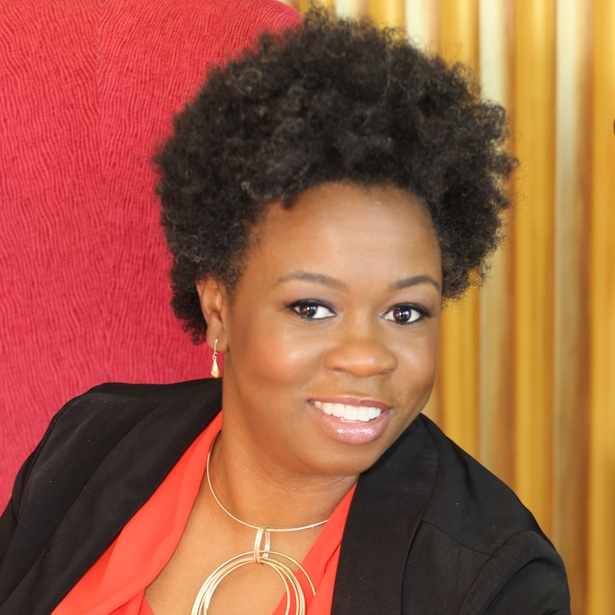
Michele Heyward
Michele Heyward is founder and CEO of PositiveHire, a tech company engineered to bridge the gap between enterprises and underrepresented women in STEM professions. Michele is a civil engineer who is an experienced project manager in the energy sector armed with technical sales and technology transfer experience.
Michele’s vision is to not only help black, Latina and indigenous women find inclusive workplaces, but to prepare enterprises to receive them, and help those enterprises recruit them. This approach makes PositiveHire the premiere recruiting platform for black, Latina and indigenous women professionals.
Michele has a B.S. degree in civil engineering and a M.S. degree in industrial management, both from Clemson University. A South Carolina native, Michele enjoys spending time with her family, traveling, Toastmasters, and making connections personally and professionally. Michele has a passion for engaging with others on social media.
0 Comments
Trackbacks/Pingbacks